
Dynamic Pelvic MRI/MR Defecography
When the pelvic floor muscles and ligaments supporting a woman’s pelvic organs weaken, the
pelvic organs can drop out of place. This is a common condition called pelvic organ prolapse.
Most women develop prolapse after menopause, childbirth, or hysterectomy. It can be
debilitating as well as embarrassing and can significantly impact the quality of life. The most
common symptoms of pelvic organ prolapse are urinary incontinence, incomplete bladder
emptying, pelvic pain, constipation, obstructed and difficult defecation, and fecal incontinence.

What is Dynamic Pelvic Floor MRI and MR Defecography?
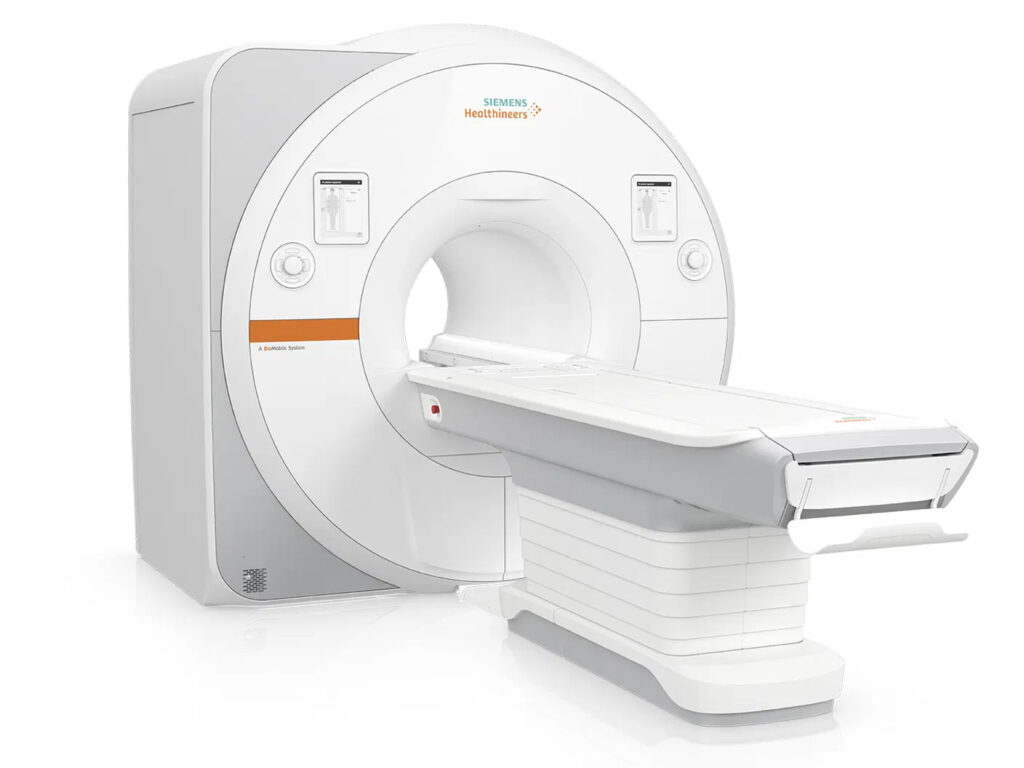
Until recently, fluoroscopic defecography was used for pelvic floor imaging, which exposed patients to radiation (x-rays). With rapid advances in MRI technology, both functional and anatomic evaluations can be performed in a single examination without using radiation. MRI allows us to image in any plane, free from the confusion of overlying structures, and can detect structural abnormalities such as tumors, abscesses, hernias, and defects or lesions in the pelvic floor muscle. These findings can help you and your doctor plan for the best clinical treatment or surgery.
What are the benefits of Dynamic Pelvic Floor MRI and MR Defecography?
-
Provides real-time visualization of pelvic floor muscles and organ movement during various functional maneuvers.
-
Accurately assesses pelvic floor disorders including prolapse, rectocele, enterocele, anismus, and incontinence.
-
Offers superior soft-tissue detail compared to traditional fluoroscopic defecography.
-
Helps pinpoint the exact cause of pelvic pain, pressure, or bowel dysfunction for more targeted treatment.
-
Completely noninvasive and radiation-free, making it a safe diagnostic option.
-
Allows evaluation of multiple pelvic compartments, giving a comprehensive view of overall pelvic floor function.
-
Guides treatment planning for urogynecology, colorectal surgery, and pelvic floor physical therapy.
What Happens During the Procedure?
- You will be asked to perform Kegel exercises while images are taken. This is when you tighten the pelvic floor muscles, similar to stopping the urine flow while urinating.
- You will be asked to perform the Valsalva maneuver by taking a deep breath and bearing down without letting the gel out while images are taken. You may be asked to repeat this step.
- You will be asked to perform defecation while images are taken. You will take a deep breath and bear down towards the rectum and push the contrast gel out of the rectum. You may be asked to repeat this step.

Why Radiologist Choice Matters
Radiology is an important department in the medical field. From x-rays and ultrasounds to diagnostic…

4 Reasons Why Diagnostic Imaging Is Important
When it comes to the medical industry, there are a lot of moving parts. You…

Women’s Top 4 Health Concerns
Taking care of your health is vital if you want to live a long, full…

Healthy Mind, Healthy Body
When many of us think about health, we are concerned about our physical health needs.…

June: Men’s Health Awareness Month
June is known as men’s health awareness month and at Zwanger Pesiri in Long Island,…
Why Choose Zwanger-Pesiri?
Zwanger-Pesiri Radiology brings world-class expertise to the Long Island community. Our subspecialty-trained radiologists are Board Certified by the American Board of Radiology with fellowship training in a variety of specialties. They are highly-skilled, highly-knowledgeable, and make patient care a priority. To learn more, contact us today.