DEXA Bone Densitometry
DEXA at ZP
A DEXA bone densitometry exam is the most accurate and most commonly used method for measuring bone loss. It is the best way for doctors to diagnose conditions like osteoporosis or osteopenia, as well as assess a patient’s risk of suffering a bone fracture.
DEXA exams are primarily recommended if you have x-ray evidence of vertebral fracture, a family history of osteporosis or hip fracture, or have experienced a fracture after only mild trauma.
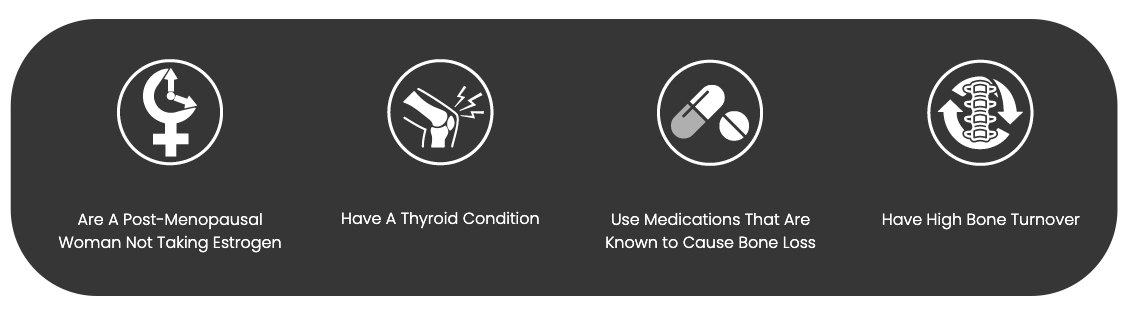
If you have hyperthyroidism, hyperparathyroidism, type 1 diabetes, use medications that are known to cause bone loss, or are a post-menopausal woman not taking estrogen, your doctor may recommend a DEXA exam.
What are the benefits of DEXA Bone Densitometry?
-
Accurately measures bone density to help diagnose osteoporosis and assess fracture risk.
-
Quick, painless, and noninvasive, typically completed in just a few minutes.
-
Uses very low-dose X-rays, making it one of the safest imaging tests available.
-
Monitors bone health over time, allowing providers to evaluate the effectiveness of treatments.
-
Identifies early bone loss, enabling proactive steps to protect long-term skeletal health.
-
Provides precise, reliable results, essential for guiding personalized care plans.
What should I expect during a DEXA scan?
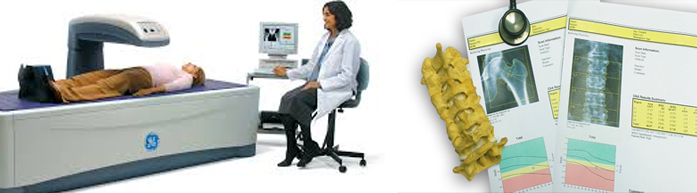
During a DEXA scan patients lie on their backs and the machine passes over them. It is a non-invasive, painless procedure that measures your bone density. The machine uses very low dose x-rays with differing energy levels that get directed at the bones being scanned. The images produced allow the radiologist to determine your bone mineral density. Fewer x-rays pass through denser bone. This information tells doctors the average density of the bone. A low score indicates that the bone is more prone to fracture and some material of the bone has been lost.
Why might your doctor recommend a DEXA scan?
Learn about the different types of DEXA exams
Vertebral Fracture Assessment
FRAX® Tool
The FRAX tool was developed by the World Health Organization to evaluate the risk of fractures for patients with low bone mass. The FRAX® models have been developed from studying population-based cohorts from Europe, North America, Asia and Australia. FRAX® can help to identify people who have a greater chance of breaking a bone as well as people who might benefit from taking osteoporosis medicine. The tool looks at a person’s age, family history, bone density and other factors to estimate the patient’s chance of fracturing a hip or another major bone within the next ten years. It can be used to guide treatment decisions in postmenopausal women, men over the age of 50, and people with low bone density.
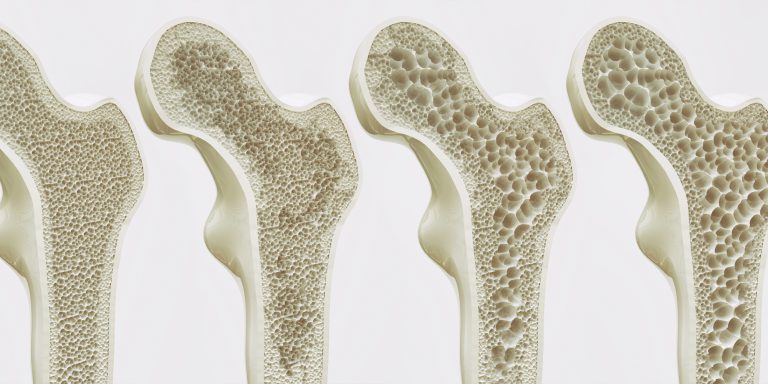
Osteoporosis: What Age Should I Start Worrying?
Osteoporosis means “porous bone,” and is condition in which bones become weak and brittle. Throughout…

Sports Medicine: ACL Tear
What does the ACL do? The anterior cruciate ligament (ACL) is perhaps the most important…

Healthy LI: Benefits of Rock Climbing
Total Body Workout Rock climbing is great for working both lower and upper body at…

Healthy LI: Benefits of Gardening
Good for your heart Gardening is no easy job! For anyone who gardens they know…
Smithtown West Women’s Imaging Center Open!
Our Smithtown West Women’s Imaging Center is open! We are offering a full array of…
Why Choose Zwanger-Pesiri?
Zwanger-Pesiri Radiology brings world-class expertise to the Long Island community. Our subspecialty-trained radiologists are Board Certified by the American Board of Radiology with fellowship training in a variety of specialties. They are highly-skilled, highly-knowledgeable, and make patient care a priority. To learn more, contact us today.